Introduction
The common cold is one of the most prevalent viral respiratory illnesses, affecting millions of people every year. Paying attention to cold symptoms such as fever, cough, sore throat, and nasal congestion, along with proper cold treatment and the use of cold syrup, can help speed up recovery and reduce symptom severity. For children with a cold and the elderly, following lifestyle guidelines is especially important. Daily activities, proper nutrition, sufficient rest, and stress management all play a direct role in the recovery process. This article provides a comprehensive and specialized overview of how lifestyle, daily activities, nutrition, exercise, and home remedies or supplements affect cold recovery, offering practical advice for people of different age groups.
For a complete overview of cold symptoms, treatment options, prevention strategies, and lifestyle recommendations, you can refer to our comprehensive guide, Common Cold: Symptoms, Treatment, Prevention, and Lifestyle Tips.
Impact of Cold on Daily Activities
Symptoms and Daily Limitations
Cold symptoms can significantly limit daily activities. Fever and muscle aches reduce energy and motivation to perform regular tasks. Children with a cold may experience decreased concentration and learning difficulties at school or daycare, leading to restlessness and the need for more care. In adults, symptoms such as persistent congestion and coughing can affect work performance, driving, and mental focus. Therefore, proper management of these symptoms through adequate rest, fluid intake, and appropriate medications is essential. Balancing activity and rest during this period can reduce illness duration and prevent secondary complications. Additionally, maintaining personal hygiene and minimizing contact with others can limit virus transmission.
To explore a complete breakdown of cold symptoms and how they evolve, see our dedicated guide, Cold Symptoms.
Energy Management Throughout the Day
Managing energy is crucial during a cold. Light activities such as short walks, gentle stretching, and completing essential household tasks without overexertion are recommended. Eating small, frequent meals, drinking warm fluids like herbal teas and soups, and getting enough rest can strengthen the immune system and accelerate recovery. Stress management techniques, including meditation and deep breathing, can also positively impact symptom improvement. In contrast, intense physical activity, sleep deprivation, and high stress can prolong illness and worsen symptoms. Therefore, daily planning, prioritizing tasks, and following nutrition and hygiene guidelines are key to effectively managing daily activities while recovering from a cold.
Nutrition and Beverages During a Cold
The Importance of Proper Nutrition
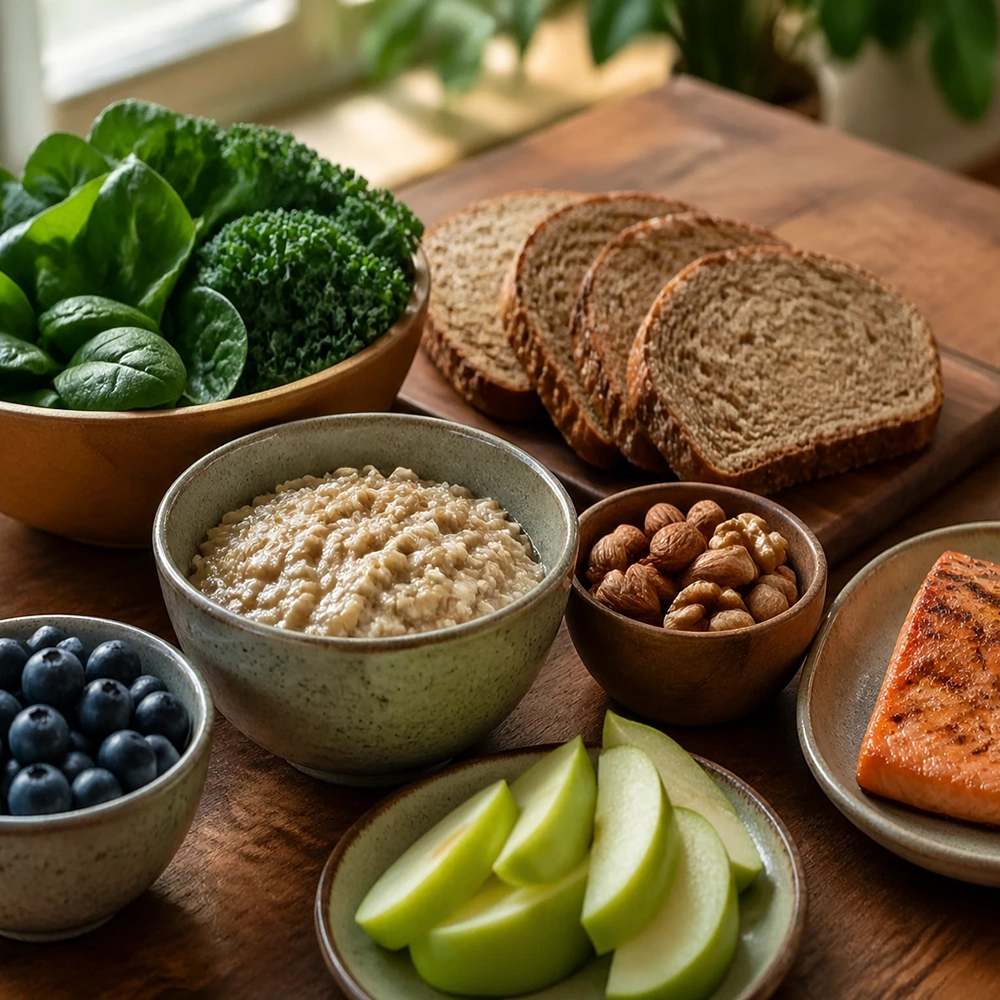
Proper nutrition plays a crucial role in relieving cold symptoms and supporting the immune system. Consuming foods rich in vitamins and minerals, particularly vitamin C, vitamin D, and zinc, can accelerate recovery. Small, frequent meals that include fresh fruits, vegetables, soups, and high-quality proteins provide the body with enough energy to fight the virus. Avoiding fatty, heavy meals, caffeinated beverages, and excessive sugar helps prevent inflammation and fatigue. For children, colorful and appealing meals combined with sufficient fluids not only ensure proper nutrition but also make eating easier and more enjoyable.
Syrups and Herbal Teas
Using cold syrup and herbal teas can help alleviate symptoms and promote relaxation. Syrups containing natural ingredients such as honey, lemon, and ginger have anti-inflammatory and soothing effects. Herbal teas such as chamomile, eucalyptus, and mint help reduce nasal congestion and soothe the throat. Consuming these beverages along with adequate rest can shorten the duration of illness. For children with a cold, herbal teas should be mild and, for those under one year old, free of honey to minimize risks.
Medications and Supplements for Cold
For detailed information on medications, supplements, and safe dosing guidelines, refer to our comprehensive article, Cold Medicines and Supplements: A Comprehensive Guide.
Pain Relievers and Fever Reducers
Pain relievers and fever reducers such as paracetamol and ibuprofen are effective in alleviating muscle aches, headaches, and fever. These drugs work by inhibiting cyclooxygenase (COX) enzymes and reducing prostaglandin production, which helps relieve pain and lower fever. The recommended dose of paracetamol for adults is usually 500–1000 mg every 6–8 hours, with a maximum of 4 g per day. For children, dosage is based on weight, and careful adherence to safe dosing is essential. These medications are particularly effective when combined with rest and proper nutrition.
Decongestants and Antihistamines
Decongestants such as pseudoephedrine reduce nasal swelling and improve breathing. They work by stimulating alpha-adrenergic receptors in the blood vessels of the nose, causing vasoconstriction and reducing congestion. Antihistamines like loratadine and lorinase block H1 histamine receptors and reduce allergy symptoms such as sneezing and runny nose. Prolonged or excessive use may cause side effects like increased blood pressure, drowsiness, and dry mouth.
Cough Medications
Cough medications are divided into two types:
- Dry cough suppressants: such as dextromethorphan, which inhibit the cough center in the brain.
- Expectorants: such as guaifenesin, which thin mucus and facilitate its removal.
Use in children should be cautious and under medical supervision due to potential side effects.
Immune-Boosting Supplements
Research shows that taking supplements can reduce the duration and severity of symptoms:
- Vitamin C: Daily intake of 200–1000 mg may reduce the length of a cold.
- Vitamin D: Especially effective during winter months and in people with low vitamin D levels.
- Zinc: Taking zinc within 24 hours of symptom onset may shorten illness duration.
- Probiotics: Maintain gut flora balance and strengthen the immune system.
Herbal Remedies and Teas
Herbal remedies and teas, such as cold herbal teas, ginger, eucalyptus, and chamomile, have soothing and anti-inflammatory effects. These remedies complement medical treatment and help relieve congestion and calm the patient. Honey is also recommended to reduce cough in children over one year old.
Clinical Notes and Warnings
- Antibiotics are only appropriate for secondary bacterial infections.
- Drug interactions between medications and supplements should be checked by a physician.
- Individuals with chronic diseases, the elderly, and children under 6 require special care.
- Seek immediate medical attention for high fever, difficulty breathing, or worsening symptoms.
To understand potential complications, associated risks, and preventive strategies, see our detailed article, Complications of the Common Cold: Risks, Symptoms & Prevention.
Clinical Treatment Algorithm
- Evaluate symptoms: fever, cough, nasal congestion, sore throat.
- Determine symptom severity and patient age group.
- For mild symptoms: home care, fluids, rest, and supplements.
- For moderate symptoms: add pain relievers, fever reducers, and appropriate decongestants.
- For severe symptoms or suspected bacterial infection: consult a physician, may require antibiotics or prescription medications.
- Daily monitoring until full recovery, watching for warning signs such as persistent fever or shortness of breath.
Cold in Special Groups
Children
OTC medications for children under 6 should be used cautiously. Dextromethorphan and decongestants are not recommended. Use of mild supplements and herbal teas is safe.
Elderly
Often have underlying conditions; drug doses should be reduced and interactions checked. Vitamin D and zinc can help strengthen immunity.
Pregnancy
Paracetamol is the safest option for reducing fever and pain. Decongestants and antihistamines should be used under medical supervision.
Prevention with Medications and Supplements
- Regular intake of vitamins C and D during winter.
- Zinc exposure when in contact with infected individuals can reduce cold duration.
- Hygiene, handwashing, and masks in crowded areas complement medicinal prevention.
- Warm herbal teas and honey are also recommended for prevention.
For evidence-based prevention strategies suitable for all age groups, visit our comprehensive resource, Cold Prevention: Scientific & Practical Guide for Children and Adults.
Summary and Practical Recommendations
Effective cold management requires a combination of medical treatment, home care, and intelligent use of supplements. Cold medications, cold tablets, and cold syrups should be chosen according to symptom severity and patient age. Supplements like vitamin C, vitamin D, and zinc can strengthen immunity and shorten illness duration. Herbal remedies and teas are useful as complementary treatments but do not replace medications. Simultaneous use should be careful and supervised for children and the elderly. Following clinical guidelines, preventing drug interactions, and monitoring symptoms are crucial for faster recovery and reduced complications.
For a full medical overview of cold symptoms, treatment pathways, and care recommendations, refer to Common Cold Treatment & Symptoms | Complete Medical Guide.
References
- UpToDate. Common Cold: Clinical Features and Management. 2025.
- CDC. Cold and Flu: Symptoms, Treatment, and Prevention. 2025.
- WHO. Influenza and Common Cold Guidelines. 2025.
- PubMed: Hemilä H, et al. Vitamin C for preventing and treating the common cold. Cochrane Database. 2020.
- PubMed: Singh M, Das RR. Zinc for the common cold. Cochrane Database. 2013.
- UpToDate: Over-the-counter cold remedies for children and adults. 2025.