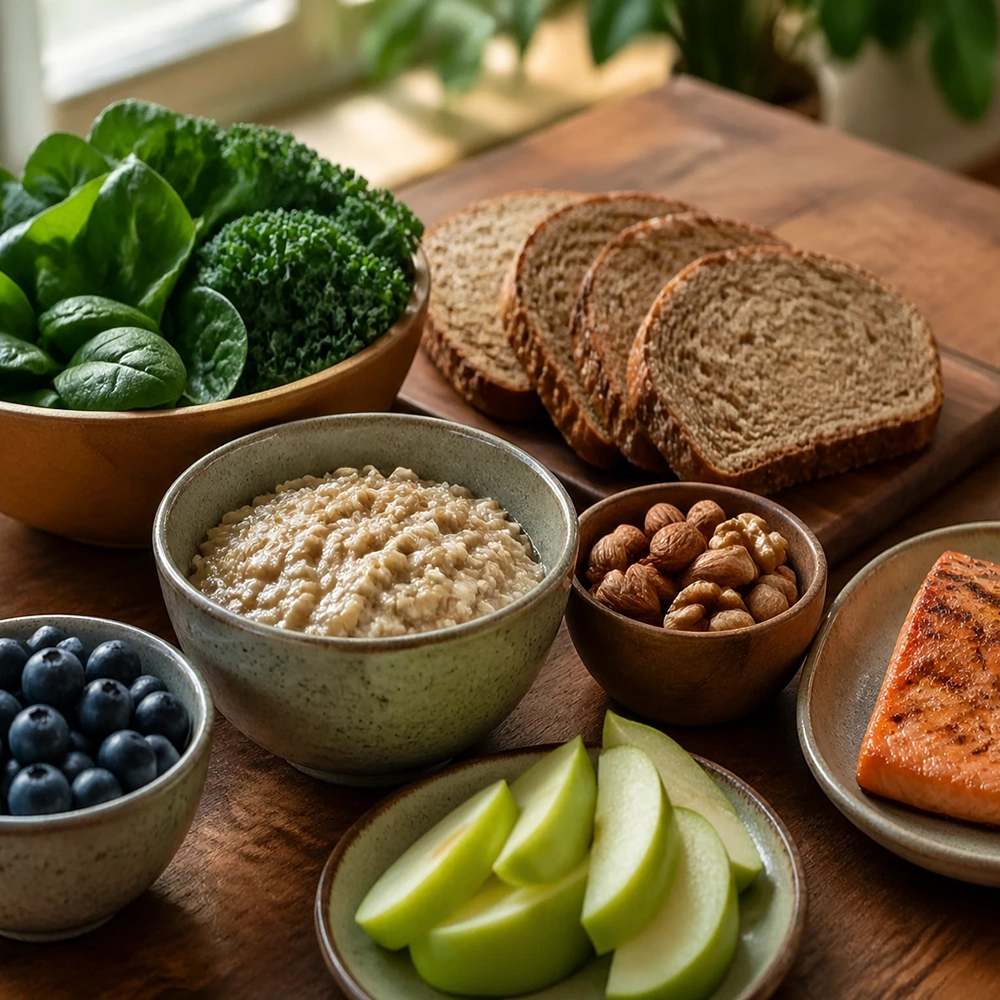
Proper nutrition during a cold plays a crucial role in reducing symptom severity, supporting immune function, and accelerating recovery. Following a proper cold diet, ensuring adequate hydration during a cold, consuming soup for cold relief, focusing on key vitamins during a cold, and choosing foods that help fight colds can significantly improve comfort and overall outcomes. During a cold, the body experiences increased fluid loss, inflammation of respiratory mucosa, and higher metabolic demands, making targeted nutrition and hydration essential components of effective home care.
For a broader clinical perspective, a complete overview of common cold treatment and symptoms helps place nutritional strategies within the full spectrum of cold care.
When nutritional intake is inadequate or hydration is insufficient, symptoms such as fatigue, sore throat, nasal congestion, and cough may worsen or persist longer. A structured nutritional approach helps maintain energy levels, supports mucosal immunity, and enhances the body’s natural antiviral defenses.
Without proper care, unresolved symptoms may progress, making awareness of complications of the common cold, including risks, symptoms, and prevention, particularly important.
Warm Fluids and Soups
Warm fluids are a cornerstone of nutritional management during the common cold. They provide hydration while simultaneously soothing irritated respiratory tissues and supporting mucus clearance.
Anti-Inflammatory Effects and Mucus Clearance
Warm liquids increase blood flow to the mucosal lining of the upper respiratory tract, helping reduce inflammation and loosen thick secretions. This leads to:
-
Reduced throat irritation and dryness
-
Easier expectoration of mucus
-
Relief from nasal congestion
-
Decreased frequency of dry coughing
Soups, especially chicken soup, have been widely studied for their mild anti-inflammatory properties. Amino acids, minerals, and light fats found in soups may inhibit inflammatory pathways and support immune cell activity.
Practical Daily Consumption Tips
To maximize benefits:
-
Consume warm fluids regularly throughout the day
-
Prefer warm or lukewarm beverages rather than very hot drinks
-
Start the day with a warm fluid to rehydrate after sleep
-
Include light soups 1–2 times daily
-
Limit sugary or highly caffeinated beverages, which may increase fluid loss
Recommended options include warm water, vegetable or chicken soup, diluted natural juices, and mild herbal teas.
Essential Nutrients During a Cold
Beyond fluids, the quality and composition of food intake are vital during illness. Specific micronutrients are particularly important for immune defense and tissue recovery.
Vitamins and Minerals
Vitamin C
Vitamin C supports immune cell function, reduces oxidative stress, and may slightly shorten the duration of cold symptoms. Rich sources include citrus fruits, kiwi, strawberries, bell peppers, and broccoli.
Vitamin A
Essential for maintaining healthy respiratory mucosa and preventing epithelial damage. Found in carrots, pumpkin, spinach, sweet potatoes, and egg yolks.
Vitamin D
Low vitamin D levels are associated with increased susceptibility to respiratory infections. Sources include sunlight exposure, fatty fish, fortified dairy products, and eggs.
Zinc
Zinc is critical for immune cell proliferation and antiviral defense. Adequate intake may reduce symptom duration. Found in red meat, legumes, nuts, seeds, and whole grains.
Iron and Selenium
Both minerals support immune resilience and antioxidant activity. Sources include meat, eggs, legumes, seafood, and nuts.
Antioxidant-Rich Foods
Antioxidants neutralize free radicals generated during viral infections and help limit tissue inflammation. Foods rich in antioxidants include:
-
Berries (blueberries, raspberries, cranberries)
-
Dark leafy greens
-
Mild green tea
-
Garlic and onions
-
Ginger and turmeric (used in cooking)
These foods not only enhance immune response but also help reduce fatigue and improve overall vitality during recovery.
Safety Considerations and Limitations
While nutrition plays a supportive role, certain precautions are necessary to avoid complications.
Sensitive Groups: Children and Older Adults
Children and older adults are more vulnerable to dehydration and nutritional deficiencies. Key considerations include:
-
Offering fluids in small, frequent amounts
-
Avoiding very hot beverages
-
Choosing soft, easily digestible foods
-
Limiting salt and spicy foods
Older adults may require adequate protein intake to prevent muscle loss and weakness during illness.
For individuals with blood sugar concerns, applying principles of diabetes nutrition during acute illness helps maintain metabolic stability while supporting immune function.
Interactions With Medications and Supplements
Some foods and supplements may interact with medications:
-
Excessive vitamin C intake may cause gastrointestinal discomfort
-
High-dose zinc supplements can lead to nausea
-
Certain herbal products may interact with blood pressure or heart medications
Individuals with chronic conditions or those taking regular medications should consult a healthcare provider before starting supplements.
This is especially important for people with metabolic disorders, and understanding what diabetes is, including its symptoms, causes, and treatment, is essential when managing illness-related nutrition.
Final Summary
Nutrition during a cold is a fundamental aspect of effective home care. Adequate hydration during a cold, regular intake of soup for cold relief, sufficient vitamins during a cold, and careful selection of foods that help fight colds collectively support immune function, reduce inflammation, and improve recovery time.
These nutritional strategies directly target key cold symptoms, including fatigue, sore throat, nasal congestion, and persistent cough.
A balanced proper cold diet, combined with rest and environmental management, allows the body to combat infection more efficiently while minimizing discomfort.
Daily habits such as sleep quality, activity level, and routine adjustments are also central to recovery, highlighting the role of cold and lifestyle daily activities in symptom improvement.
Paying attention to vulnerable populations and maintaining nutritional balance ensures both safety and effectiveness throughout the illness.