Advanced Home Management Strategies
When fever is moderate and no red-flag symptoms are present, home management can be highly effective. These strategies enhance comfort, support immune function, and reduce recovery time:
Temperature Regulation
-
Maintain a room temperature of 20–22°C (68–72°F).
-
Wear lightweight clothing and use light bedding.
-
Avoid sudden exposure to cold or ice baths; these may worsen chills.
Hydration Protocol
-
Drink at least 8–12 glasses of water daily, depending on body weight and activity.
-
Include herbal teas (chamomile, mint) to soothe the body.
-
Oral rehydration salts (ORS) are recommended for prolonged fever, vomiting, or diarrhea.
-
Monitor urine color for hydration status.
Rest and Activity Management
-
Prioritize sleep and rest; energy is diverted to immune function during fever.
-
Gentle stretching or short walks may be beneficial if tolerated.
-
Avoid intense exercise until fully recovered.
Medications and Their Safe Use
For managing fever at home:
Over-the-Counter Options
-
Acetaminophen (Paracetamol): 500–1000 mg every 6–8 hours as needed.
-
Ibuprofen (NSAID): 200–400 mg every 6–8 hours; take with food to reduce gastric irritation.
Prescription Medications
-
Reserved for bacterial infections or other diagnosed conditions.
-
Follow the clinician’s instructions precisely.
Cautions
-
Avoid combining multiple medications unless prescribed.
-
Do not use antibiotics for viral infections; this is a common error.
-
Monitor for side effects such as liver stress (acetaminophen) or gastrointestinal irritation (NSAIDs).
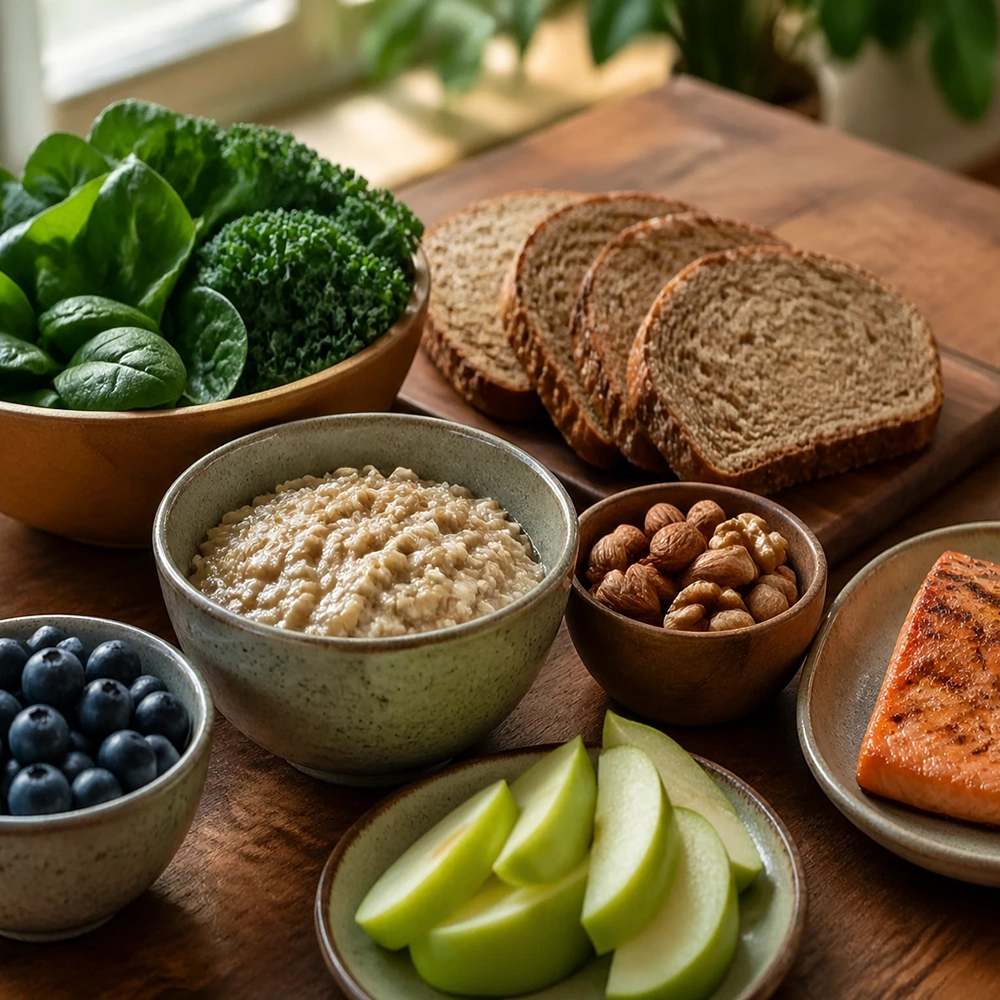
Dietary and Food Therapy During Fever
Proper nutrition accelerates recovery and strengthens immunity:
Recommended Foods
-
Hydrating soups and broths: Chicken broth, vegetable soups.
-
Electrolyte-rich foods: Bananas, coconut water, yogurt.
-
Protein sources: Eggs, legumes, soft cooked meats.
-
Fruits rich in vitamin C: Oranges, kiwi, berries.
-
Anti-inflammatory options: Ginger, turmeric, garlic.
Foods to Avoid
-
Fried and processed foods.
-
Excess sugar, caffeinated drinks, and alcohol.
-
Very heavy meals that strain digestion during fever.
Practical Tips
-
Eat small, frequent meals.
-
Ensure hydration with every meal.
-
Prefer cooked and easy-to-digest foods.
Daily Routine for Fever Management
A structured day enhances recovery and prevents complications:
Morning:
-
Check temperature.
-
Drink a glass of water and take a light breakfast.
-
Gentle stretching if comfortable.
Midday:
-
Rest or take a short nap.
-
Light hydration, soups, or herbal teas.
-
Monitor for worsening symptoms.
Afternoon:
-
Continue hydration.
-
Track symptoms: chills, sweating, headache, fatigue.
-
Avoid overexertion.
Evening:
-
Light dinner with protein and vegetables.
-
Relaxation techniques (deep breathing, meditation).
-
Prepare room for optimal sleep temperature.
Night:
-
Hydrate before sleep.
-
Ensure lightweight bedding.
-
Monitor for night sweats or high fever spikes.
Preventive Measures and Long-Term Strategies
-
Vaccination: Influenza, COVID, and other preventable diseases.
-
Hand hygiene: Regular washing to prevent infections.
-
Balanced lifestyle: Adequate sleep, stress reduction, regular physical activity.
-
Chronic disease control: Diabetes, hypertension, and kidney disease management reduce fever risk.
-
Avoid environmental triggers: Sunstroke, dehydration, overexertion.
Special Considerations
Pediatric Patients
-
Observe behavior more than temperature.
-
Seek care for persistent fever, vomiting, or unusual lethargy.
Elderly Patients
-
Subtle fever may indicate serious infection.
-
Watch for confusion, weakness, or sudden decline.
Chronic Illness Patients
-
Fever may exacerbate underlying conditions.
-
Early evaluation and hydration are critical.
Common Mistakes in Fever Management
-
Using ice baths or cold showers.
-
Overmedicating, masking symptoms.
-
Ignoring hydration or resuming physical activity too soon.
-
Giving antibiotics for viral infections.
When to Seek Medical Care Immediately
-
Fever above 104°F (40°C) unresponsive to home care.
-
Seizures, stiff neck, severe headache.
-
Breathing difficulties or chest pain.
-
Persistent vomiting or inability to drink.
-
Signs of dehydration or confusion.
High-risk populations require earlier intervention: infants, elderly, immunocompromised, and pregnant patients.
Final Medical Guidance
High fever and chills are important clinical signs that reflect the body’s response to infection or systemic stress. Through informed home management, including:
-
Safe hydration and temperature regulation
-
Proper medication use
-
Nutritious diet and food therapy
-
Structured daily routine
-
Preventive lifestyle measures
…most individuals can recover safely and effectively. Persistent or severe fever requires timely professional evaluation to prevent complications. By combining scientific knowledge, practical care strategies, and awareness of warning signs, patients can manage fever with confidence and minimize risk.