Rapid weight gain, sudden weight gain, and unexpected weight increase are common concerns for many individuals, especially when they occur without significant changes in diet or physical activity. Understanding rapid weight gain and its underlying causes—including hormonal imbalances, thyroid issues, stress, poor sleep, unhealthy eating habits, and medications—is crucial for effective weight management, controlling weight, following a diet for weight loss, engaging in exercise and physical activity, and using medications and supplements responsibly. Early recognition of these factors can help prevent long-term health consequences and improve overall well-being.
What is Rapid Weight Gain?
Rapid weight gain refers to a noticeable increase in body weight over a short period, often within weeks or a few months. This weight increase may involve fat accumulation, water retention, or, in some cases, muscle gain for those engaged in strength training. Identifying the exact type of weight gain is essential for selecting the appropriate management and treatment strategies.
Types of Rapid Weight Gain:
-
Fat Accumulation:
Occurs when calorie intake exceeds the body’s energy needs, leading to fat storage. This is the most common cause of rapid weight gain. -
Water Retention:
Rapid weight increase may sometimes result from fluid accumulation rather than fat gain. This can be caused by high salt intake, hormonal fluctuations, or kidney or heart issues. -
Muscle Gain:
In individuals performing resistance training or strength workouts, weight gain may reflect healthy muscle growth rather than fat accumulation.
Early recognition of the type of weight gain helps tailor management strategies, whether it’s diet for weight loss, structured exercise, or medical interventions.
Main Causes of Rapid Weight Gain
1. Hormonal Imbalances
Hormones play a key role in regulating metabolism and body weight. Imbalances can contribute to rapid weight gain:
-
Hypothyroidism: Reduced thyroid hormone production slows metabolism, causing weight gain even with normal eating habits. Symptoms include fatigue, dry skin, hair loss, and constipation.
-
Polycystic Ovary Syndrome (PCOS): Leads to insulin resistance and increased fat storage, especially around the abdomen, often accompanied by irregular menstruation, acne, and excessive hair growth.
-
Chronic Stress and High Cortisol Levels: Prolonged stress raises cortisol, increasing appetite for high-calorie foods and promoting abdominal fat storage.
2. Fluid Retention
Rapid weight gain may sometimes result from water retention:
-
High intake of salt or processed foods
-
Prolonged inactivity or sedentary lifestyle
-
Hormonal changes, particularly in women
-
Kidney or heart problems
Signs of fluid retention: swelling in hands, feet, or face; sudden weight gain over a few days; and feeling bloated or heavy.
3. Lifestyle and Dietary Factors
-
Unhealthy diet: Excess consumption of fast food, sugary snacks, and processed meals contributes to fat storage.
-
Physical inactivity: Reduces calorie burning and promotes weight gain.
-
Sugary drinks and alcohol: Add extra calories and accelerate fat accumulation.
4. Medications and Supplements
Some medications may contribute to rapid weight gain:
-
Corticosteroids
-
Certain antidepressants
-
Insulin or other diabetes medications
-
Oral contraceptives
⚠️ Always consult a healthcare professional before adjusting medication.
5. Stress and Poor Sleep
Chronic stress and insufficient sleep can exacerbate rapid weight gain:
-
Sleep deprivation: Increases ghrelin (hunger hormone) and reduces leptin (satiety hormone).
-
Stress: Promotes cravings for high-calorie foods and abdominal fat accumulation.
6. Age and Genetic Factors
-
Metabolism slows with age, making fat accumulation easier.
-
Genetic predisposition can influence rapid weight gain and fat distribution.
Diagnosing Rapid Weight Gain
Accurate diagnosis is crucial to determine the underlying cause and guide treatment:
-
Blood Tests: Assess thyroid function, blood sugar, insulin levels, and other hormonal imbalances.
-
Body Composition Analysis: Measures fat, muscle, and water distribution.
-
Lifestyle Assessment: Evaluates diet, physical activity, sleep, and stress levels.
-
Imaging or Additional Tests: If kidney, heart, or liver issues are suspected.
Early identification helps prevent complications such as metabolic syndrome, diabetes, and cardiovascular disease.
Early Home Management Strategies
Even before medical consultation, individuals can take steps to control weight:
-
Stay hydrated: Helps reduce fluid retention and supports metabolism.
-
Limit salt and processed foods to prevent water weight accumulation.
-
Engage in light daily activity: Walking, stretching, or yoga.
-
Ensure adequate sleep: 7–9 hours of quality rest.
-
Manage stress: Meditation, deep breathing, or relaxation exercises.
Managing rapid weight gain requires a comprehensive approach, including proper nutrition, medications or supplements if necessary, structured exercise, and lifestyle adjustments. Combining these strategies ensures safe weight control, prevents further fat accumulation, and supports overall health.
Dietary Strategies for Controlling Rapid Weight Gain
A balanced diet is crucial to control weight, reduce fat storage, and regulate hormones.
Breakfast
Include protein, fiber, and healthy fats:
-
Protein: Boiled eggs, Greek yogurt, low-fat cheese
-
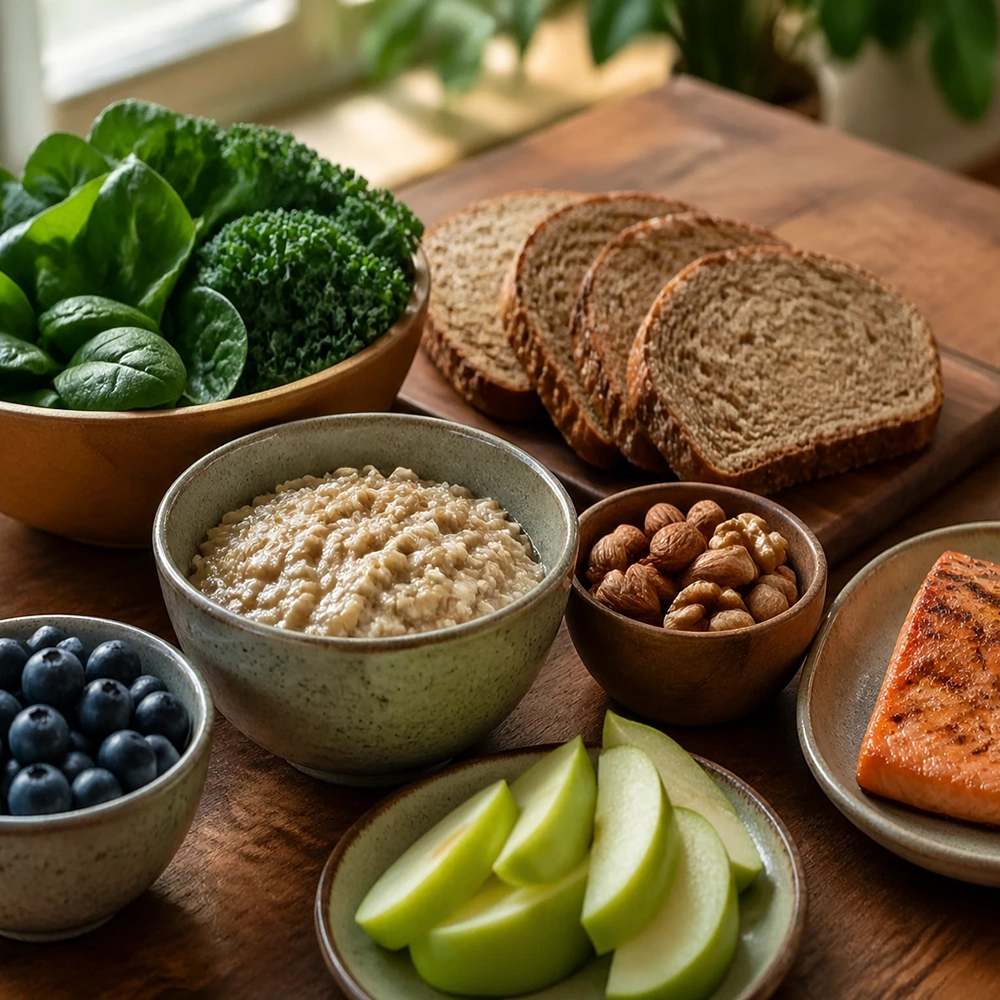
Fiber: Oats, berries, apple slices
-
Healthy fats: Walnuts, almonds, flaxseeds
Tip: Eat breakfast slowly (20–30 minutes) to promote satiety and prevent overeating later.
Lunch
Should provide sustained energy for daily activities:
-
Lean protein: Chicken, fish, turkey, legumes
-
Vegetables: Broccoli, carrots, bell peppers, spinach
-
Complex carbs: Brown rice, quinoa, whole-grain bread
Tip: Prefer steamed or raw vegetables; avoid high-fat sauces.
Snacks
To prevent blood sugar dips and reduce cravings:
-
Fresh fruit or unsweetened dried fruit
-
Unsalted nuts like almonds or walnuts
-
Low-fat or probiotic yogurt
Tip: Space snacks at least 3 hours from main meals.
Dinner
Should be light and easy to digest:
-
Light protein: Fish, eggs, tofu, or legumes
-
Vegetables: Steamed or fresh salad
-
Low-carb options: Sweet potato, quinoa, or lentils
Tip: Eat dinner at least 2 hours before bed to allow digestion and prevent nighttime fat accumulation.
Beverages
-
Water: Minimum 8–10 glasses per day
-
Green tea: Supports metabolism and fat oxidation
-
Black coffee (unsweetened): Boosts energy and calorie burning
Avoid: Sugary drinks and alcohol, which contribute to rapid weight gain.
Medications and Supplements
In some cases, rapid weight gain is related to hormonal or metabolic issues, and medications may be needed under medical supervision:
-
Thyroid medications: For hypothyroidism
-
Metformin or insulin-related drugs: For insulin resistance
-
Vitamin D, calcium, magnesium supplements: Support metabolism and hormonal balance
-
Probiotics: Aid digestion and reduce bloating
⚠️ Always use medications and supplements under a doctor’s guidance.
Exercise and Physical Activity
Exercise is essential to control weight, improve metabolism, and prevent fat accumulation:
-
Morning: 20–30 minutes brisk walking or light jogging
-
Midday: Stretching or yoga to reduce stress
-
Evening: Light resistance training (weights, resistance bands)
-
Twice a week: Moderate-to-high-intensity aerobic exercise (cycling, swimming, running)
Benefits: Enhances metabolism, reduces abdominal fat, maintains muscle mass, improves heart and mental health.
Stress and Sleep Management
Uncontrolled stress and poor sleep can undermine diet and exercise efforts:
-
Meditation: 10 minutes morning and evening to lower cortisol
-
Deep breathing exercises: During stressful situations or before bed
-
Limit screen time: At least one hour before sleep
Sleep: 7–9 hours of quality sleep balances hormones, controls appetite, and prevents abdominal fat accumulation.
Daily Practical Routine
| Time | Activity & Nutrition |
|---|---|
| Morning | 20 min walk + protein and fiber-rich breakfast |
| Mid-morning | Fresh fruit or unsalted nuts |
| Noon | Balanced lunch with protein, vegetables, and complex carbs |
| Afternoon | Light resistance training or yoga |
| Evening | Snack: low-fat yogurt or dried fruit |
| Night | Light dinner, vegetables, and protein |
| Before bed | Deep breathing/meditation + hydration |
Long-Term Prevention
-
Weekly weigh-ins: Detect gradual changes early.
-
Consistent balanced diet: Avoid yo-yo dieting.
-
Regular physical activity: 30 minutes daily walking is highly effective.
-
Stress management and adequate sleep: Core pillars for prevention.
-
Avoid unregulated supplements: Focus on safe, science-backed methods.
Key Practical Tips
-
Eat meals slowly; aim for at least 30 minutes per meal.
-
Limit processed and fried foods.
-
Include potassium-rich foods (avocado, bananas, green vegetables) to reduce water retention.
-
Ensure sufficient fiber to support digestion and satiety.
-
Combine aerobic and resistance training for effective fat reduction, especially in the abdomen.
Conclusion
Rapid weight gain is not always due to overeating; it can indicate hormonal imbalances, stress, sleep issues, or lifestyle factors. By identifying the root cause, adopting a healthy diet, exercising regularly, managing stress, and ensuring proper sleep, rapid weight gain can be controlled safely. Medical consultation is necessary for complex cases, especially when medications or hormonal issues are involved.
With consistent lifestyle changes and preventive strategies, individuals can manage weight, prevent complications such as diabetes and cardiovascular disease, and improve overall quality of life.