Introduction
Cold in elderly and patients with chronic diseases is a significant and sometimes dangerous challenge. For a comprehensive overview, see our article on Common Cold: Symptoms, Treatment, Prevention, and Lifestyle Tips. In these groups, immune system function is weakened, increasing the likelihood of infection and severity of illness. Many older adults or patients with heart, lung, kidney diseases, diabetes, or those taking immunosuppressive medications are more vulnerable to cold viruses during the winter season. For detailed information on cold treatment and symptoms, see our Complete Medical Guide. Trends such as cold, cold treatment, cold symptoms, new cold strains, cold medications, cold herbal tea, cold syrup, prevention of cold, adult cold, and cold virus indicate growing public attention to proper disease management. This comprehensive article examines symptoms, risks, medications, supplements, care methods, prevention, nutrition, differences between cold and flu, and clinical management algorithms for colds in the elderly and chronically ill patients.
Why Elderly and Chronically Ill Are More Vulnerable
Reduced Immune Function
Aging naturally reduces the activity of white blood cells, inflammatory responses, and antibody production. This immune weakness allows viruses to replicate faster and cause more severe illness. Learn more about the viruses that cause the common cold, including rhinovirus, coronavirus, RSV, and adenovirus.
Presence of Underlying Diseases
Chronic conditions that increase cold complications include:
- Diabetes
- Hypertension and cardiovascular diseases
- Asthma and COPD
- Kidney diseases
- Autoimmune disorders
- Cancer and chemotherapy
- Liver failure
Use of Immunosuppressive Drugs
Medications such as corticosteroids, biologics, and immunosuppressants increase the risk and severity of infections.
Reduced Cough and Respiratory Clearance
Older adults often have weaker cough strength, which is vital for clearing virus and mucus. Muscle weakness, dry mucosa, and dehydration impair this process.
Cold Symptoms in Elderly
Common Symptoms
- Runny or congested nose
- Dry or productive cough _ Learn more about common cold symptoms in detail.
- Fatigue
- Mild to moderate fever
- Body aches and malaise
- Loss of appetite
- Dry mouth and throat
Dangerous and Atypical Symptoms
In older adults, cold symptoms may be unusual. Warning signs include:
- Sudden imbalance or falls
- Confusion or altered consciousness
- Shortness of breath even without fever
- Chest pain
- Severe dehydration
- Increased blood sugar in diabetic patients
Cold in Chronic Disease Patients
Cardiovascular Diseases
Colds can increase heart rate and place additional stress on the heart. Fever and dehydration may trigger cardiac events in susceptible patients.
Diabetes
Viruses elevate stress hormones and blood sugar. Glucose control becomes more difficult during illness and requires careful monitoring.
Kidney Diseases
Certain cold medications can be harmful to patients with kidney disease. High sodium, NSAIDs, and some antihistamines may worsen renal function.
Asthma and COPD
Colds are major triggers for asthma attacks and COPD exacerbations. Increased mucus, cough, and shortness of breath are common.
Difference Between Cold and Flu in Elderly
Both illnesses can be dangerous, but differences include:
Common Cold
- Gradual onset
- Mild fever
- Predominantly respiratory symptoms
- Rarely requires hospitalization
Influenza
- Sudden and severe onset
- High fever
- Severe body aches
- Higher risk of pneumonia
Medications for Elderly
Painkillers and Fever Reducers
Paracetamol is the safest option for reducing pain and fever. Ibuprofen should only be used with a doctor’s guidance, as it may cause kidney damage or interact with heart medications.
Decongestants
Pseudoephedrine is usually not recommended for elderly due to:
- Increasing blood pressure
- Causing insomnia and anxiety
- Potential heart rhythm disturbances
Saline nasal irrigation is preferred instead.
Antihistamines
First-generation antihistamines (e.g., chlorpheniramine) pose risks of drowsiness, low blood pressure, and confusion. Second-generation antihistamines like loratadine are safer but still require caution.
Cough Medications
Dry coughs are managed with **dextromethorphan**, while productive coughs benefit from **guaifenesin**. Careful dosing is essential in older adults.
Effective Supplements
Vitamin C
Daily intake of 250–500 mg may reduce symptom severity.
Vitamin D
Deficiency is common in elderly and supplementation improves immune response.
Zinc
Early supplementation helps shorten the duration of cold, but excess may interfere with medications.
Probiotics
Beneficial for patients with weakened immunity and digestive disorders.
Herbal Remedies and Teas for Elderly
Herbal remedies and teas can help reduce cold symptoms in older adults, but caution is necessary to avoid drug interactions. Teas such as ginger, thyme, chamomile, and eucalyptus have anti-inflammatory and soothing effects. Drinking warm liquids with these teas can help thin mucus, relieve nasal congestion, and soothe sore throat. Honey is also beneficial for reducing cough and throat irritation, but should only be used in elderly patients without allergies. Importantly, herbal remedies should not replace prescription medications, and excessive use may cause gastrointestinal disturbances or drug interactions.
Nutrition and Immune Support for Elderly
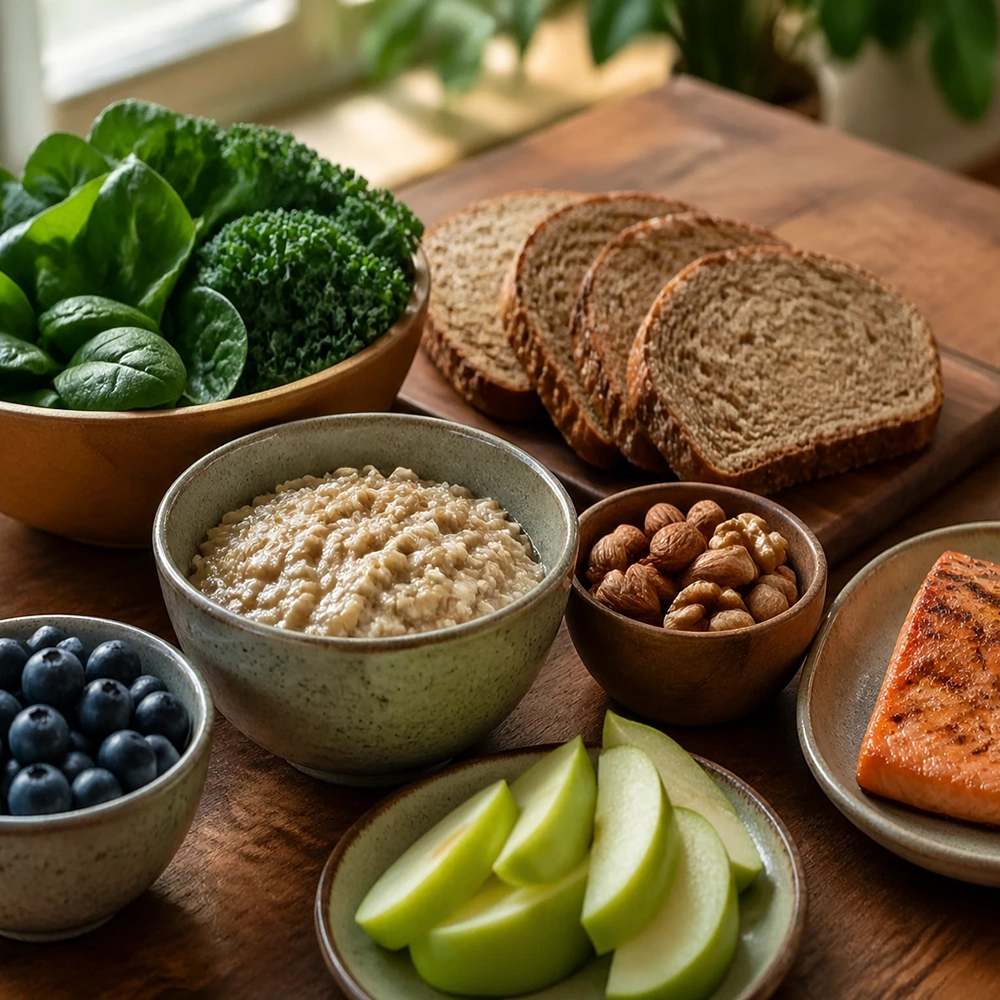
Proper nutrition plays a key role in preventing and reducing the severity of colds. Elderly patients should have a diet rich in vitamins and minerals. Sources of vitamin C include citrus fruits, kiwi, bell peppers, and broccoli, which help strengthen the immune system. Vitamin D, often deficient in older adults, enhances immune response, and its deficiency is linked to higher risk of colds. Adequate protein from meat, fish, eggs, legumes, and dairy is essential for immune cell regeneration. Nutritious soups, such as chicken soup with vegetables and ginger, provide hydration, reduce inflammation, and promote faster recovery.
Home Care Measures
Proper Hydration
Older adults often have a reduced sense of thirst, and dehydration can worsen symptoms. Drinking water, soups, herbal teas, and warm fluids is essential to maintain body hydration. Adequate hydration helps thin mucus, reduce nasal congestion, and improve immune function.
Sufficient Rest
Adequate rest is crucial for recovery. Explore our guide on cold diagnosis and home treatment. Sleep allows the immune system to strengthen its defenses. Elderly patients should ensure a quiet environment, suitable temperature, and low light for sleep.
Optimal Environment
Maintaining a suitable temperature, proper humidity, and good ventilation helps reduce viral transmission and protect lung health. Using humidifiers in dry seasons and avoiding extreme cold is recommended.
Prevention of Cold in Elderly and Chronic Patients
Vaccination
Seasonal influenza and COVID-19 vaccines can reduce the risk of complications from cold and other respiratory infections. Elderly patients should receive all recommended vaccines annually.
Personal Hygiene
Frequent hand washing with soap, using disposable tissues, and avoiding close contact with sick individuals are key preventive measures.
Immune Strengthening
Regular intake of supplements such as vitamin C, vitamin D, and zinc, a balanced diet, light physical activity, and adequate sleep can strengthen immunity and reduce the likelihood of catching a cold. Read our guide on cold prevention for children and adults.
Warnings and Clinical Considerations
- High fever, shortness of breath, severe headache, or chest pain requires immediate medical evaluation.
- Drug interactions between cold medications and medications for heart, diabetes, kidney, and hypertension must be carefully monitored.
- Patients with chronic conditions should take their medications regularly and avoid self-adjusting doses.
- Maintaining hydration is critical in elderly patients.
- Decongestants and antihistamines should be used cautiously and under medical supervision.
Clinical Management Algorithm for Elderly
- Initial assessment: symptom severity, underlying conditions, current medications.
- For mild symptoms: home care, fluids, herbal teas, supplements.
- For moderate symptoms: pain and fever relievers, cautious use of decongestants, safe teas.
- For severe symptoms or critical chronic conditions: immediate medical consultation, possible hospitalization or prescription medications.
- Daily monitoring and caregiver education for recognizing warning signs.
Summary and Practical Recommendations
Managing colds in elderly and chronically ill patients requires a combination of home care, medication, and preventive measures. The use of cold medications, cold tablets, and cold syrups should be carefully selected based on symptom severity and the patient’s clinical condition. Older adults with heart, lung, kidney diseases, diabetes, or immunosuppressive conditions should always be under medical supervision and avoid self-medication.
Home Care Measures
- Adequate warm fluids
- Sufficient rest and proper sleep
- Nutritious soups and herbal teas
- Maintain optimal environment: temperature and humidity
- Hand hygiene and social distancing when necessary
Immune Support
Nutritional supplements such as vitamin C, vitamin D, zinc, and probiotics can help shorten the duration of colds and reduce symptom severity. A balanced diet, fruit and vegetable intake, adequate protein, and proper hydration are essential.
Warnings and Special Care
- Any high fever, shortness of breath, chest pain, or confusion requires immediate medical attention.
- Decongestants and antihistamines must be used cautiously under medical supervision.
- Chronic patients must continue their medications as prescribed and avoid changing dosages independently.
- Hydration monitoring is critical to prevent serious complications.
Simple Treatment Algorithm for Elderly
- Initial assessment: symptom severity, underlying conditions, and current medications.
- Mild symptoms: home care, fluids, herbal teas, supplements.
- Moderate symptoms: pain and fever relief, cautious use of decongestants, safe teas.
- Severe symptoms or critical chronic conditions: immediate medical consultation, possible hospitalization or prescription medications.
- Daily monitoring and caregiver education to recognize warning signs.
Scientific References
- UpToDate. Common Cold in Older Adults: Clinical Features and Management. 2025.
- CDC. Cold and Flu in Seniors: Symptoms, Treatment, and Prevention. 2025.
- WHO. Respiratory Infection Guidelines for Older Adults. 2025.
- PubMed: Hemilä H, et al. Vitamin C for preventing and treating the common cold in elderly. Cochrane Database. 2020.
- PubMed: Singh M, Das RR. Zinc supplementation in older adults for common cold prevention. Cochrane Database. 2013.
- UpToDate: Over-the-counter cold remedies for elderly patients. 2025.
Conclusion
Colds in elderly and chronically ill patients can quickly lead to serious complications, but with proper prevention, nutrition, home care, and careful use of medications and supplements, symptom severity and duration can be reduced. Caregiver education and daily monitoring are crucial to prevent complications. Combining medication, home care, and preventive strategies is the most effective way to protect elderly patients from colds.